
CBD and Fatty Liver: What You Need to Know About Benefits and Risks
Research suggests CBD may reduce liver fat and inflammation, but high doses can raise liver enzymes and cause toxicity. If you have fatty liver, talk to your doctor before using CBD, especially if you take other medications.
How CBD May Reduce Liver Fat and Inflammation: The Science Behind It
CBD interacts with the body's endocannabinoid system, which plays a role in regulating metabolism and inflammation. In animal studies, CBD has been shown to reduce fat accumulation in the liver and dampen inflammatory pathways that drive non-alcoholic fatty liver disease (NAFLD).
| Mechanism | What It Does | Relevance to Fatty Liver |
|---|---|---|
| Reduces oxidative stress | Neutralizes free radicals that damage liver cells | May protect liver tissue from injury |
| Inhibits NLRP3 inflammasome | Blocks a key inflammatory complex | Reduces inflammation in steatohepatitis |
| Suppresses NF-κB pathway | Decreases pro-inflammatory gene expression | Lowers overall liver inflammation |
| Modulates lipid metabolism | Helps regulate how the liver processes fats | May reduce fat buildup in liver cells |
| Activates PPAR receptors | Nuclear receptors that influence fat storage | Could improve hepatic lipid balance |
One study found that CBD treatment significantly attenuated liver injury in mice fed a high-fat diet, reducing both fat accumulation and inflammation. Another showed that CBD and CBG (another non-psychoactive compound) restored some liver function in animal models.
While these results are promising, human studies are still limited. The exact dose and duration that might help—or harm—remain unclear.

CBD and Fatty Liver: What the Research Says About Benefits and Risks
CBD shows potential for helping fatty liver, but it's not without risks. Animal research suggests CBD can reduce liver fat and inflammation, but high doses in humans have been linked to elevated liver enzymes—a sign of possible liver stress.
| Potential Benefit | Potential Risk | What to Watch For |
|---|---|---|
| Reduces liver fat accumulation | High doses may increase liver enzymes (ALT, AST) | Monitor liver function tests if using CBD regularly |
| Lowers inflammation in the liver | Can interact with medications via CYP450 enzyme system | Check with your doctor about drug interactions |
| May improve insulin sensitivity | Rare cases of liver injury reported with very high doses | Stick to moderate doses and avoid excessive use |
| Non-psychoactive, generally well-tolerated | Quality and purity vary by product | Choose lab-tested products from reputable sources |
For most people, moderate CBD use appears safe. But if you have advanced liver disease or take medications metabolized by the liver, the risk may outweigh the benefit.
CBD and Liver Safety: What You Need to Know About Risks and Side Effects
CBD is generally safe, but it can be harmful to the liver at high doses. Studies show that some people taking high doses of CBD (hundreds of milligrams per day) experience elevated liver enzymes, which can indicate liver inflammation or damage.
| Risk Factor | What Happens | Who Should Be Cautious |
|---|---|---|
| High doses | Can increase ALT and AST levels | Anyone taking more than recommended on product labels |
| Drug interactions | CBD inhibits CYP450 enzymes, affecting how other drugs are processed | People on blood thinners, seizure meds, or antidepressants |
| Existing liver disease | May worsen liver function | Those with cirrhosis, hepatitis, or advanced NAFLD |
| Contaminants | Unregulated products may contain heavy metals or pesticides | Anyone buying from unverified sources |
If you have liver issues, talk to your doctor before starting CBD. They can run baseline liver tests and monitor you over time.
CBD vs. Alcohol: Which Is Worse for Your Liver?
Alcohol is clearly worse for your liver than CBD. Chronic alcohol consumption is a leading cause of liver disease, including cirrhosis and liver failure. CBD, on the other hand, has not been shown to cause liver damage at typical doses.
| Factor | Alcohol | CBD |
|---|---|---|
| Liver toxicity | High risk, especially with heavy use | Low risk at moderate doses |
| Fatty liver | Directly causes alcoholic fatty liver disease (AFLD) | May actually reduce fat accumulation |
| Inflammation | Promotes inflammation and oxidative stress | May reduce inflammation |
| Addiction potential | High | Low |
If you're considering replacing alcohol with CBD, you're likely making a safer choice for your liver. However, CBD is not a treatment for alcohol addiction—seek professional help if you need it.
Metabolic dysfunction–associated steatotic liver disease
Metabolic dysfunction–associated steatotic liver disease, or MASLD, is a chronic condition where excess fat builds up in the liver, often alongside metabolic risk factors like obesity, type 2 diabetes, or high blood pressure. It was formerly called non-alcoholic fatty liver disease (NAFLD). MASLD can progress to a more severe form called metabolic dysfunction–associated steatohepatitis (MASH), which involves liver inflammation and a higher risk of cirrhosis, liver cancer, and cardiovascular disease. The progression rate from MASLD to MASH is estimated at 7–35% per year, but with healthy lifestyle changes—such as weight loss and exercise—the disease can regress. Understanding MASLD is crucial because it affects millions and is closely tied to diet and metabolic health. If you're exploring CBD for fatty liver, knowing where you stand on the MASLD spectrum can help you make safer choices.
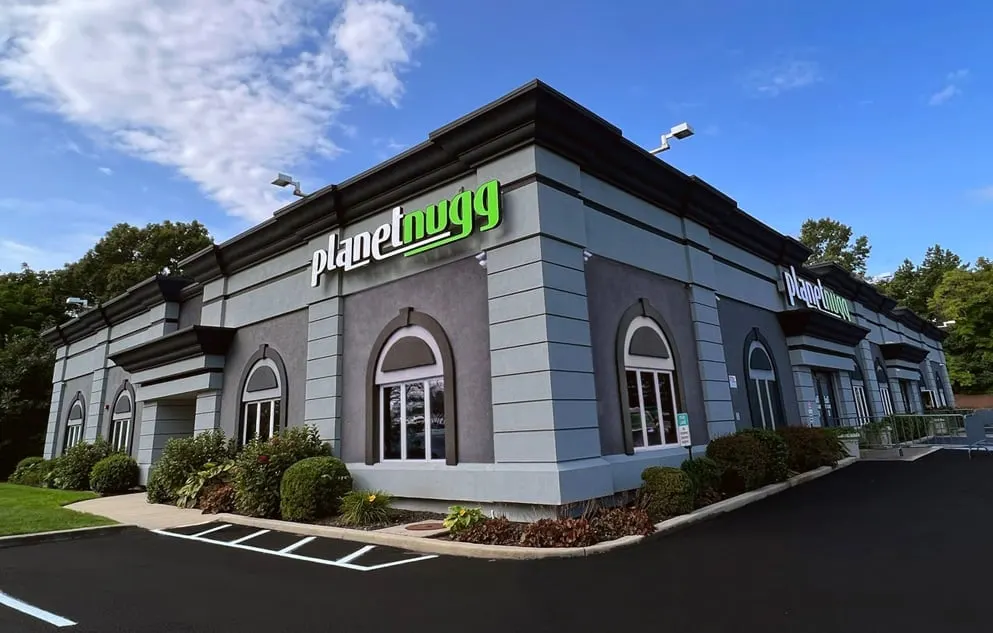
Directions to our weed dispensary in Farmingdale from Farmingdale station
Start at Farmingdale station and head to Planet Nugg at 2043 Wellwood Ave, Farmingdale, NY 11735.
Who Should Avoid CBD for Fatty Liver? Key Considerations Before Trying
A good fit if…
- You have mild fatty liver and your doctor is on board.
- You're not taking medications that interact with CBD.
- You're using lab-tested products from reputable sources.
Consider another option if…
- You have advanced liver disease (cirrhosis, liver failure).
- You're pregnant or breastfeeding—CBD safety is not established.
- You take medications metabolized by the liver, like blood thinners or seizure meds.
Talk to your healthcare provider before using CBD, especially if you have liver concerns. They can help you weigh the potential benefits against the risks.
Quick Ways to Reduce Fatty Liver: Can CBD Help?
- Cut added sugar and refined carbs—these are major drivers of liver fat.
- Lose 5–10% of your body weight if you're overweight; this can significantly reduce liver fat.
- Exercise regularly—even moderate activity helps burn liver fat.
- Consider CBD as an adjunct—some research suggests it may help, but it's not a substitute for lifestyle changes.
CBD might support your liver health, but the quickest way to see improvement is through diet and exercise. Always consult your doctor before adding CBD to your routine.
CBD Gummies and Your Liver: Potential Downsides to Know
A good fit if…
- You prefer a convenient, pre-dosed option and you're using them occasionally.
- You've checked the label for added sugars or artificial ingredients that could affect your liver.
Consider another option if…
- You're concerned about added sugars—many gummies are high in sugar, which can worsen fatty liver.
- You need higher doses—gummies may not deliver the dose you need without eating excess sugar.
If you choose gummies, look for low-sugar or sugar-free options and stick to moderate doses. Your liver will thank you.
For details on services and visits, see the main page about weed dispensary farmingdale.
Sources
Also asked as
- Can CBD help with fatty liver?
- Is CBD safe for fatty liver?
- Does CBD cause liver damage?
Frequently asked questions
What is the quickest way to reduce a fatty liver?
The fastest way is to lose weight through diet and exercise. Cutting added sugars and refined carbs, and losing 5–10% of your body weight, can significantly reduce liver fat. CBD may help as an add-on, but it's not a quick fix.
Who should avoid taking CBD?
People with advanced liver disease, those on medications that interact with CBD, and pregnant or breastfeeding women should avoid CBD. Always consult your doctor first.
What organ does CBD affect?
CBD affects many organs, but the liver is particularly important because it processes CBD. High doses can stress the liver, and CBD can interfere with liver enzymes that metabolize other drugs.
Which is worse for the liver, edibles or alcohol?
Alcohol is far worse for the liver than edibles (CBD or THC). Alcohol directly causes fatty liver, inflammation, and cirrhosis, while CBD may even have protective effects. However, edibles can still carry risks if they contain high doses or harmful additives.
Is CBD harmful to the liver?
At typical doses, CBD is not harmful to most people's livers. However, very high doses can increase liver enzymes, indicating potential stress. People with existing liver disease should be cautious.